Making complicated things easier to understand and use. Building lasting systems for the teams behind them.
I'm a UX designer with a visual design background, and I build much of what I design, including the publishing system behind a science magazine that reaches 1M+ people a year.
Right now I lead UX and systems work at Stanford Graduate School of Business, partnering with faculty, leadership and technical teams. I'm looking for a UX or product design role where complex information is central to the work, and design shapes how people understand it.
The work
From my current work back through the places that shaped how I design.
-
- Design systems
- Information architecture
- Content audit
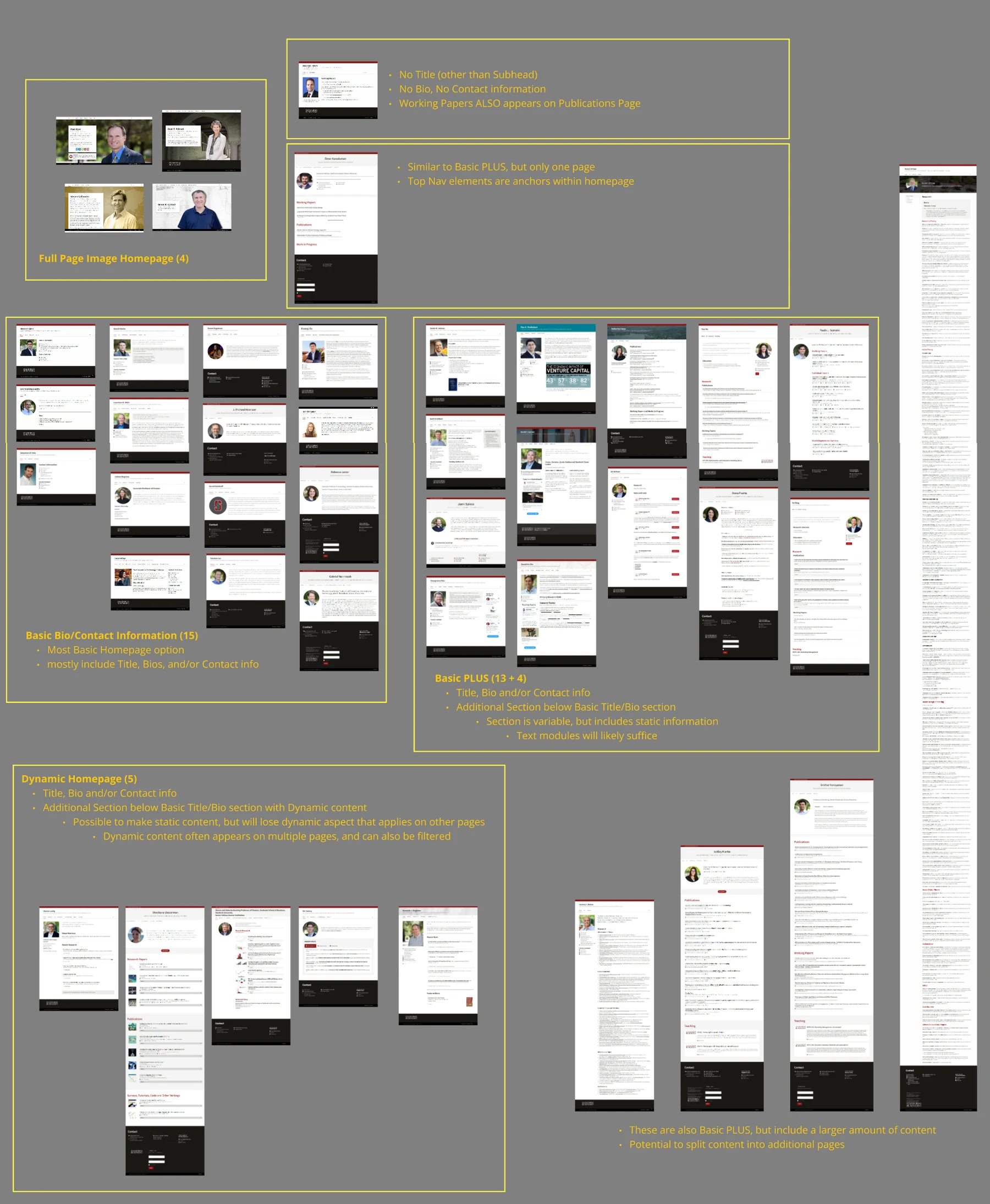
Stanford Graduate School of Business: One template system for 50+ faculty websites
Web & Graphic Designer | UX & Digital Systems · 2021 to now
Faculty websites had to move off a WordPress host that was being retired. I designed a shared template system so faculty and staff could keep their sites up to date on their own.
- 20,000+
- people a year view content I led accessibility work on
- 2 web platforms
- each with sites I designed and built
- Faculty website migration
- Teaching & Learning Hub website
- Presentation theme for faculty
-
- Information architecture
- User testing
- Front-end
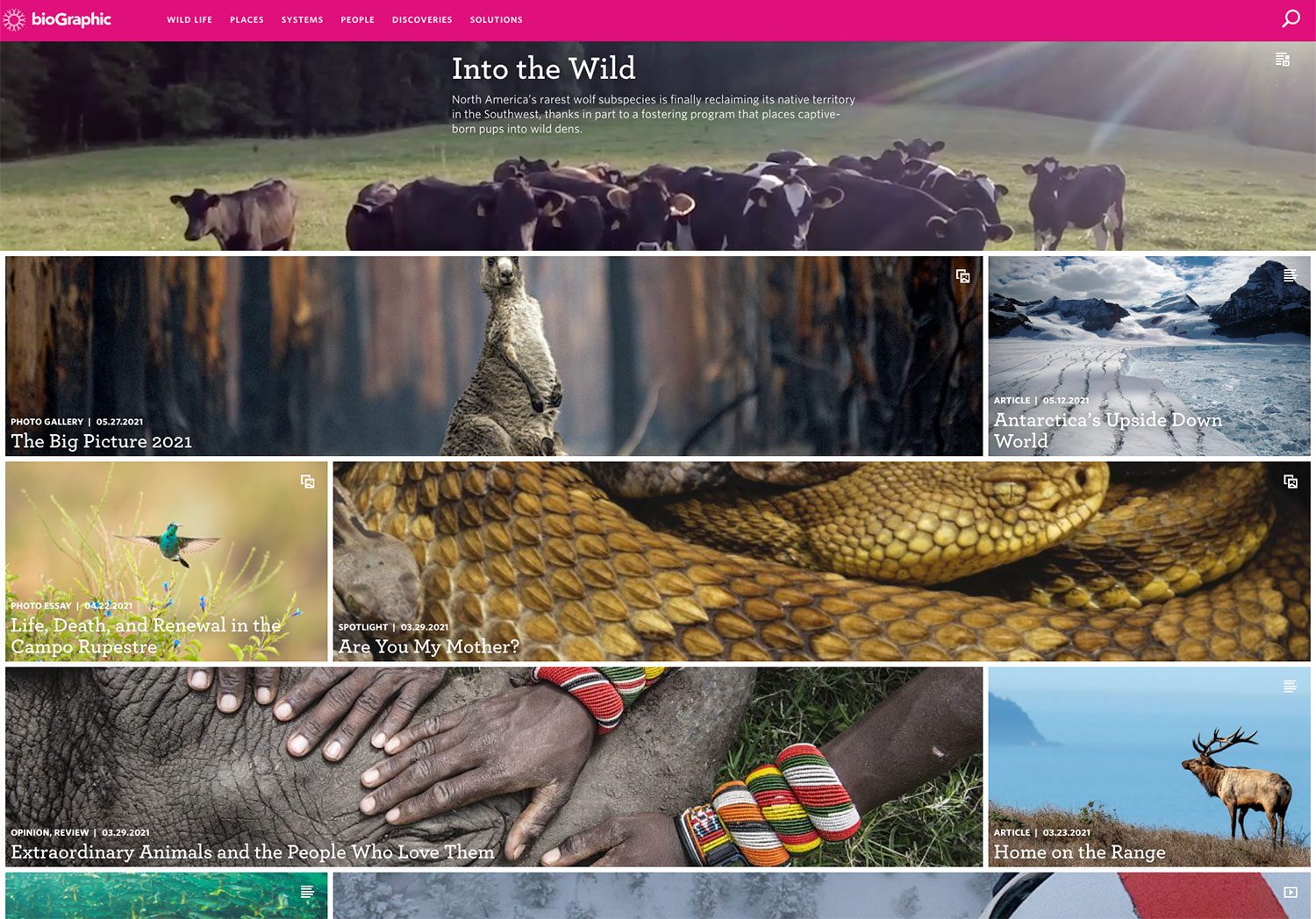
Featured case studybioGraphic
California Academy of Sciences · 2015 to 2021
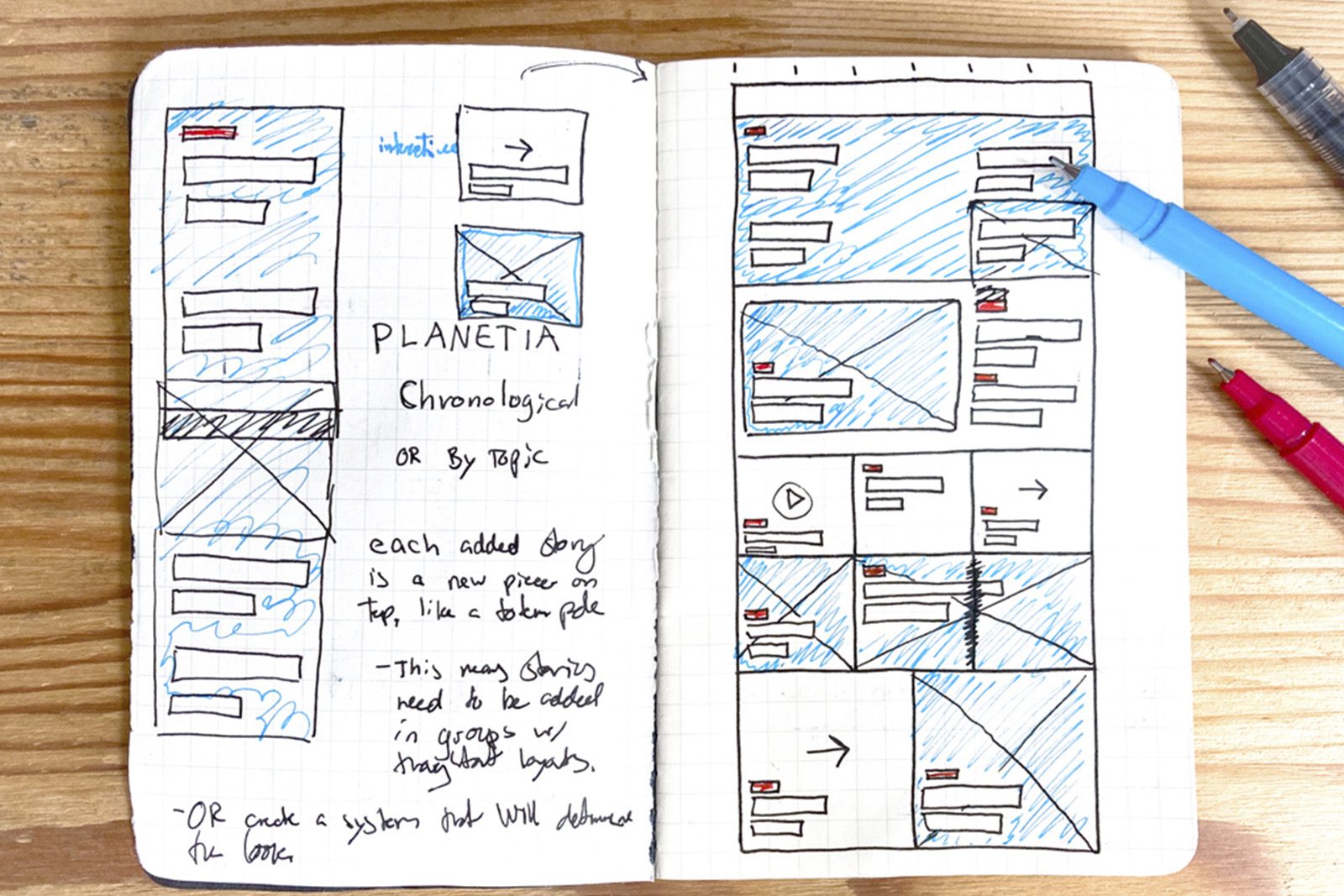
A publishing system that let editors create distinctive multimedia science stories without needing a designer for every layout. I was also its primary front-end developer, from the first version through the 2018 rebuild.
Read the case study- 600+
- stories on the same system by July 2026
- 1M+
- people reached a year, per bioGraphic
- 8 yrs
- on the 2018 build
- Content taxonomy
- Module library and templates
- Reader testing, two rounds
- 2018 platform rebuild
-
- Interaction design
- Exhibit design
- User testing
California Academy of Sciences: Making dense science approachable for families
Visual Designer | UX & Interaction Design · 2015 to 2021
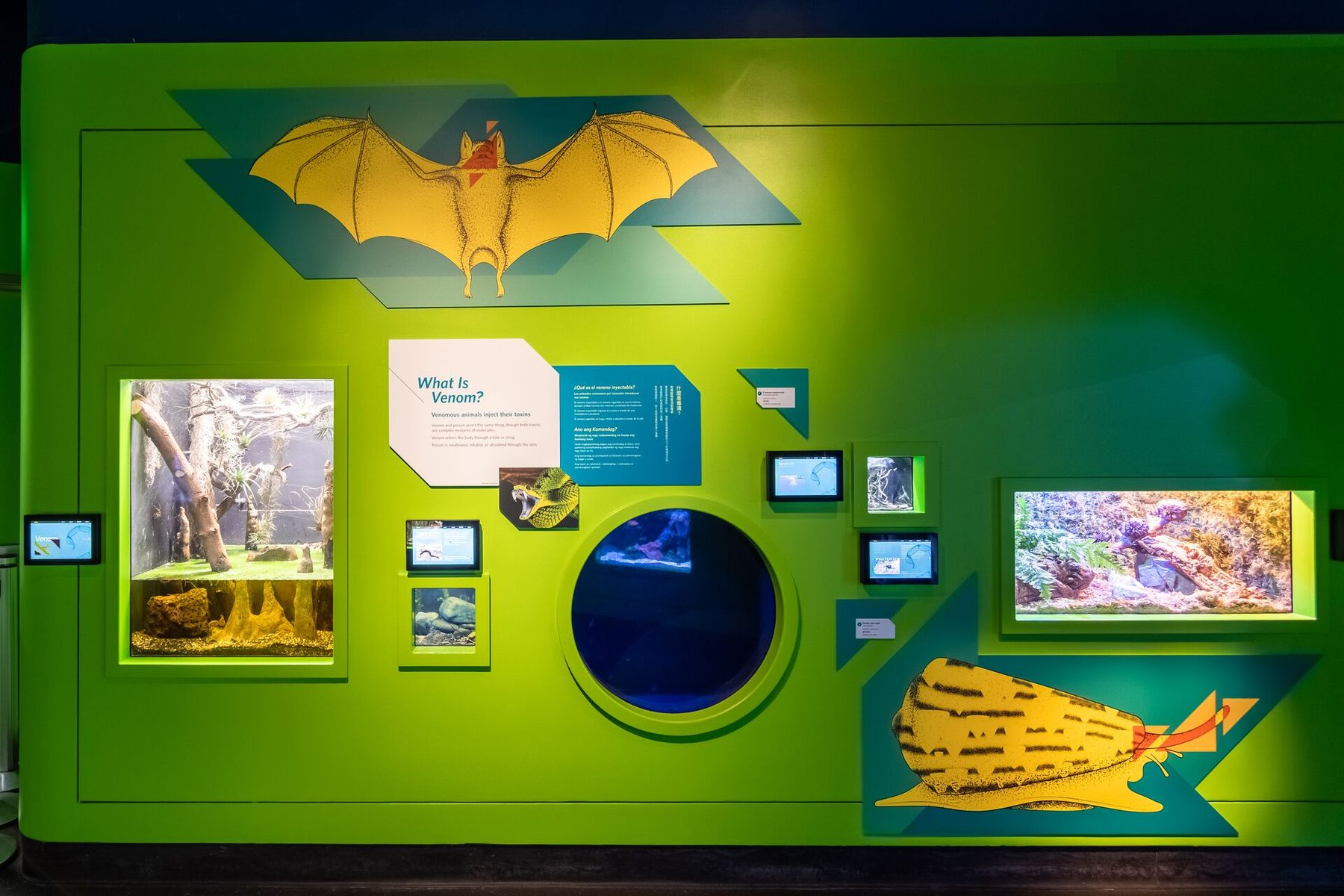
Beyond bioGraphic, I worked on exhibits, interactive screens and digital projects across the museum. Most of it came back to the same question: how do you make dense science approachable for a family or a school group?
- 50+
- user sessions across several interactives
- Museum‑wide
- adoption of the Digital ID system I designed for Venom
- Digital Animal ID system, adopted museum-wide
- Interactive web map and gallery kiosk
- Exhibit graphics, illustration and diagrams
- Lead designer on a traveling exhibit
-
- Accessibility
- Wayfinding
- Interactive UI
Palo Alto Junior Museum & Zoo: An accessible exhibit for children of all abilities
Design Lead (Contract) · 2022 to 2023
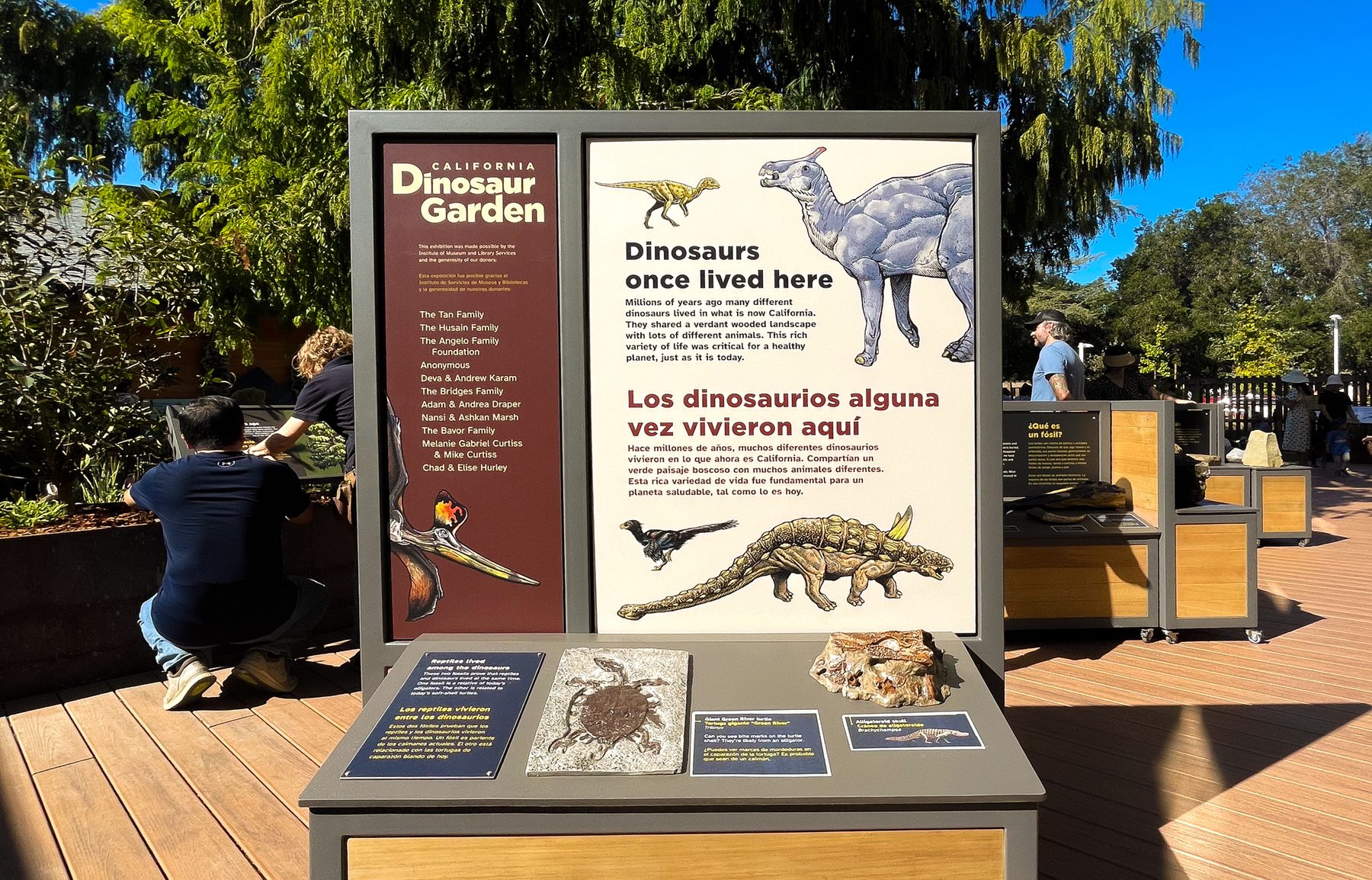
I first worked with the museum in 2022 on animal ID panels and illustrations. They brought me back to lead visual and spatial design for the Dinosaur Garden, an outdoor exhibit about California's Cretaceous period built for children of all abilities.
- 3 projects
- with the museum, from animal ID panels to the Dinosaur Garden
- 4 accessible formats
- braille, a tactile map, audio for every panel and multilingual panels
- Exhibit branding and wayfinding
- Interactive display UI with audio pronunciation
- Tactile, braille and multilingual panels
- Scoping the work to meet the grand opening
How I work
My process changes with the problem. These are the habits that stay the same.
Understand what exists
I learn why things work the way they do before changing them. At Stanford, that meant auditing 50+ faculty sites before designing a template.
Follow the evidence
I let what people actually do guide the design. On bioGraphic, readers scrolled past interactions, so I moved the interaction into the scroll and tested again.
Set people up to run it
Clear structure and documentation help the people who run a system work confidently on their own. At the Academy, character limits and saved color systems let content managers update animal ID screens themselves.
I like problems with a lot of information and a lot of different people to serve, where the answer has to be both usable and worth looking at.
Behind the work
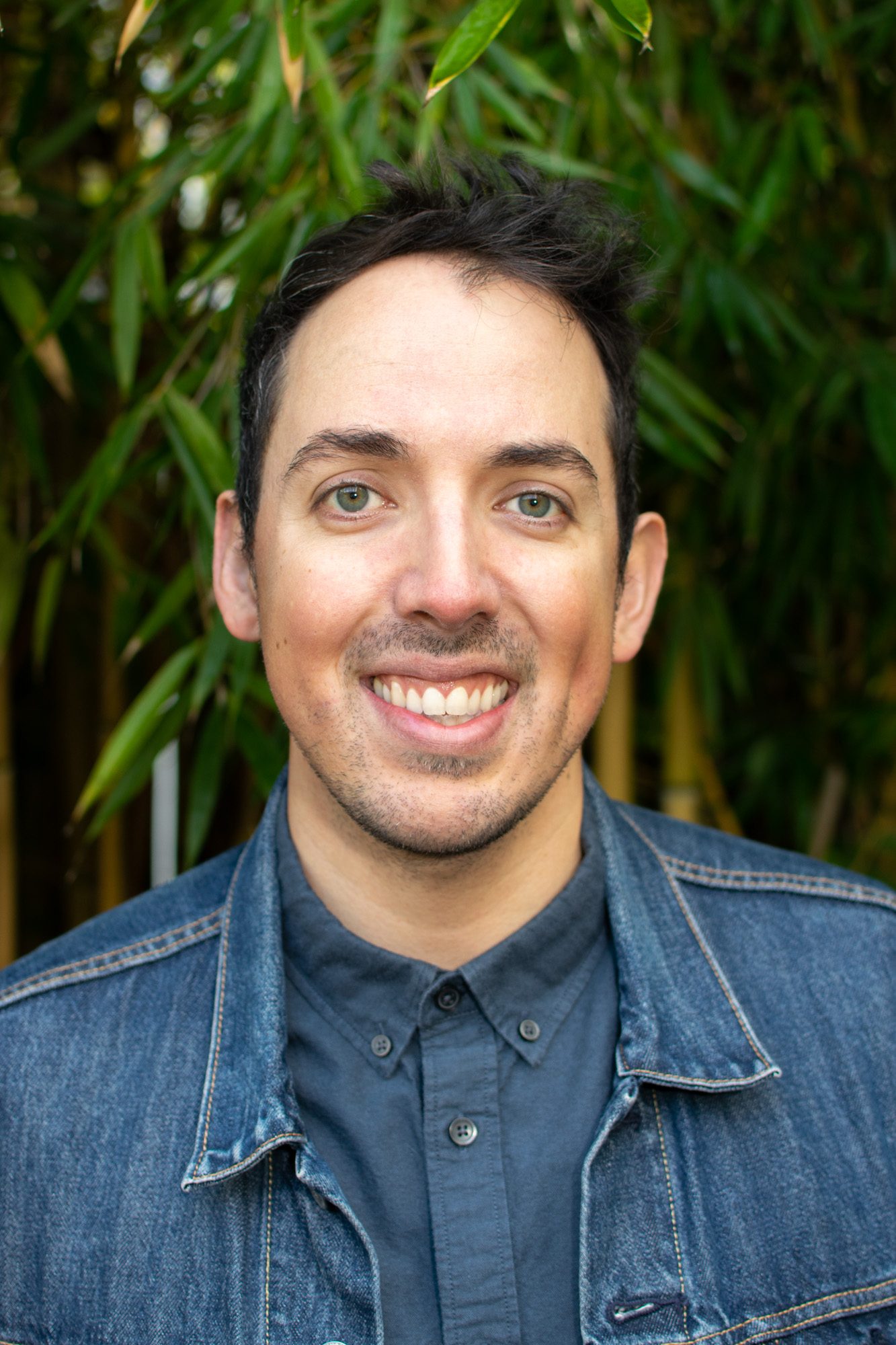
I'm James Davidson, a designer in the San Francisco Bay Area. When I'm not designing, you'll usually find me exploring museums, outside with my family, reading a book (probably something sci‑fi), or trying whatever new technology has caught my attention.
- Stanford Graduate School of BusinessWeb & Graphic Designer | UX & Digital Systems2021 to now
- Palo Alto Junior Museum & ZooDesign Lead (Contract), California Dinosaur Garden2022 to 2023
- California Academy of SciencesVisual Designer | UX & Interaction Design2015 to 2021
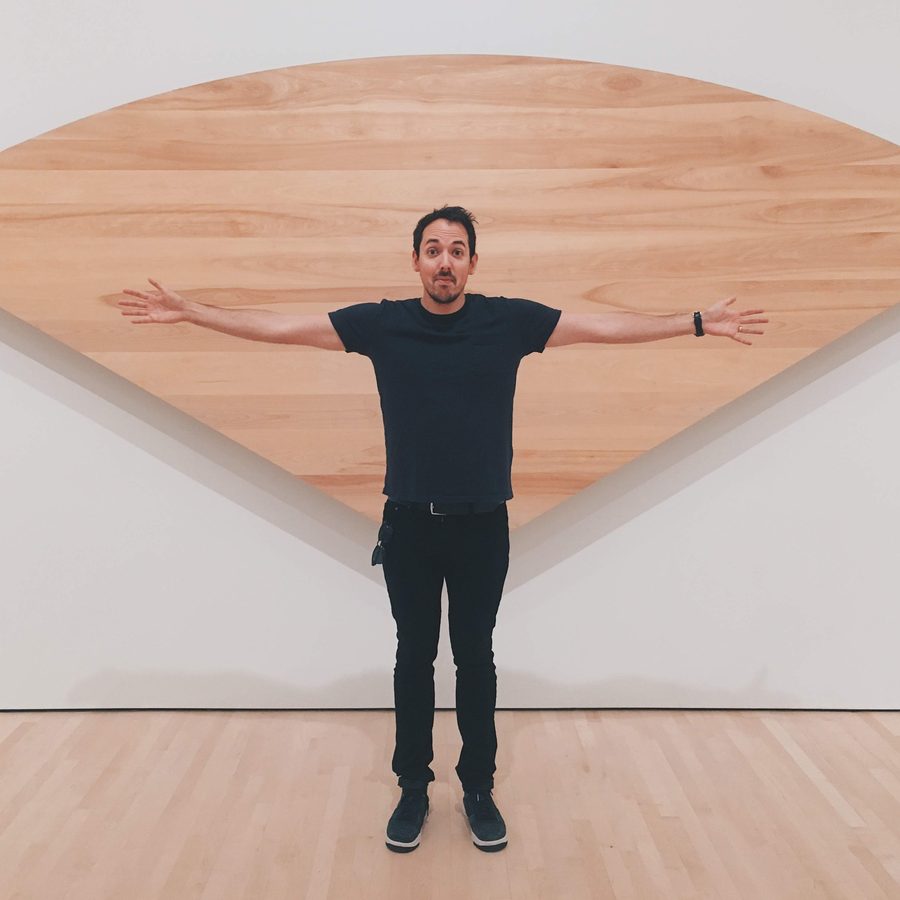
Exploring museums
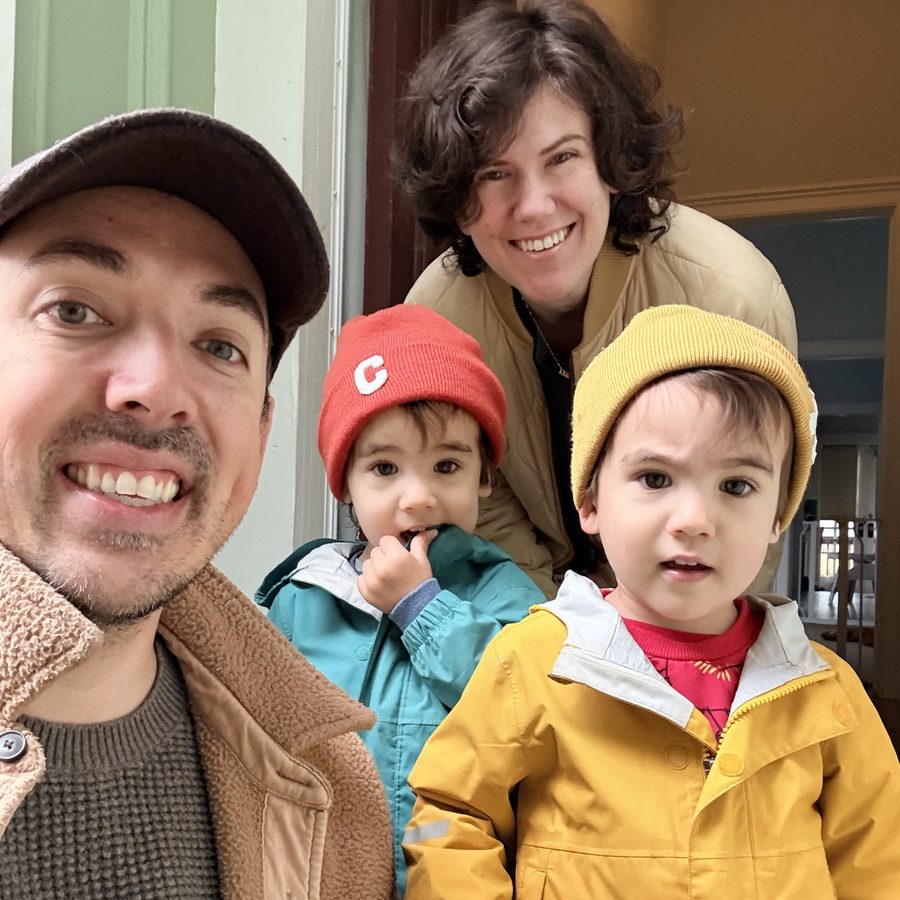
Stepping outside with the family
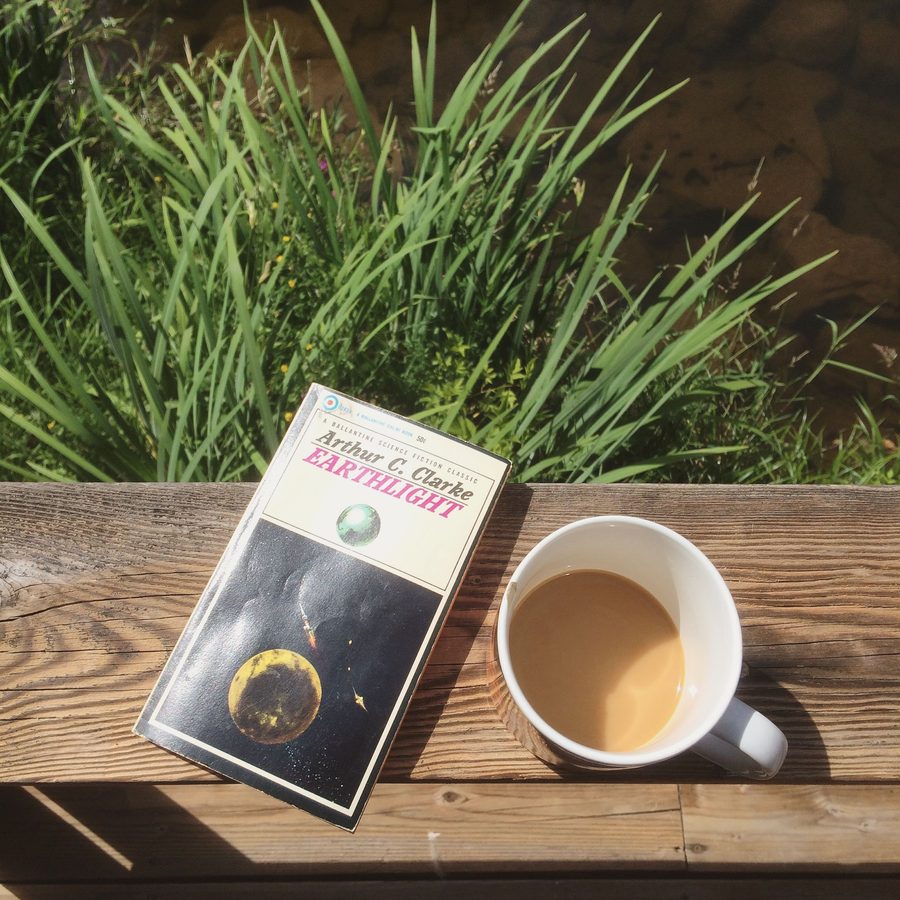
Reading, usually sci‑fi
UX and research
- Information architecture
- Interaction design
- Content strategy
- Usability testing
Systems and build
- Design systems and documentation
- Accessibility and legibility
- HTML, CSS, WordPress, Google Sites
- Figma, Adobe CC, generative AI
A few things people usually ask
How do you work with engineers and other partners?
Closely, and early. I've partnered with internal and external developers and creatives, as well as fabricators, scientists and educators. I write HTML and CSS, and on bioGraphic I was the primary front-end developer. Implementing my own designs changed how I specify them, and made my handoffs clearer.
How do you think about accessibility?
I treat WCAG standards and ADA compliance as the starting point, and look for ways to go further. That has meant accessible formatting built into Stanford's faculty templates, legibility planned into bioGraphic's grid, and braille, tactile, audio and multilingual panels in the Dinosaur Garden.
What kind of work are you looking for?
Senior UX or product design roles. I'm especially drawn to work with complex information, in education, science, creative technology or cultural organizations, and to teams that care about design systems, accessibility and close collaboration with engineering. I live in the San Francisco Bay Area and I'm open to on‑site, hybrid and remote roles.